



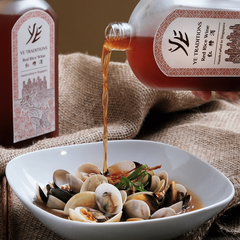


Rice wine (米酒, mijiu) has been valued across Asia for centuries, not only for the flavour it brings to cooking but for its place in traditional wellness. If you are curious about the real rice wine benefits — in the kitchen and in Chinese wellness traditions — this guide covers what is genuinely worth knowing, along with honest answers about alcohol content and moderation.
What gives rice wine its benefits?
Rice wine is made by fermenting glutinous rice with water and a natural starter. That fermentation is where most of its character comes from: it breaks the rice starches down into simpler sugars and, along the way, develops aromatic compounds and the mellow, warming quality rice wine is loved for. A pure rice wine — like ours, brewed from just rice, water, and a starter — carries these qualities cleanly, with no added salt, sugar, or preservatives.
Benefits of rice wine in cooking
The most reliable benefits of rice wine are culinary, and they are the reason it appears in so many Chinese dishes:
- Tenderises meat and seafood when used in a marinade.
- Lifts aroma the moment it hits a hot wok.
- Rounds out savoury flavour in soups, braises, and stir-fries.
- Balances richness in fatty or strongly flavoured dishes.
For ideas on using it, see our guide to cooking with Chinese cooking wine.
Benefits of rice wine in Chinese wellness traditions
In Traditional Chinese Medicine (TCM), rice wine is regarded as a warming ingredient. It is most associated with supporting blood circulation and warmth, which is why it features so heavily in confinement cooking after childbirth and in herbal tonics such as dang gui jujube rice wine. Rice wine is also used traditionally as a base for herbal tonics, as gently warming it is believed to help draw out the properties of herbs and roots.
As a naturally fermented food, rice wine also contains small amounts of nutrients such as B vitamins, and the fermentation process produces the same kinds of compounds found in other fermented foods. These are genuine qualities of the drink — but they are best understood as part of a balanced diet and traditional practice, not as a medical treatment.
A note on moderation and alcohol
It is worth being clear-eyed here: rice wine is an alcoholic beverage, and alcohol should always be enjoyed in moderation. You may see rice wine described online as preventing serious illness — we would treat those claims with caution, as the evidence does not support them, and health authorities are clear that alcohol carries its own risks. Enjoy rice wine for its flavour and its heritage, keep quantities sensible, and if you are pregnant, breastfeeding, or managing a health condition, check with your doctor first. In cooking, much of the alcohol cooks off during simmering, which is why it is used so freely in home dishes.
Why a clean rice wine matters
If you are drinking or cooking with rice wine for enjoyment and tradition, the quality of the bottle counts. Many supermarket cooking wines add salt and caramel colouring. Ours are handcrafted in Singapore from just rice, water, and a natural starter — no salt, no added sugar, no preservatives — and are SFA licensed, so you know exactly what you are getting.
Frequently asked questions
What is the alcohol content of rice wine?
Rice wine is an alcoholic beverage and its strength varies by brew. When cooked and simmered, much of the alcohol evaporates, which is why it is used so freely in home cooking.
Is rice wine halal?
No. Rice wine contains alcohol, so it is not halal. For dishes where you need an alcohol-free option, a splash of chicken stock or white grape juice with a little rice vinegar can stand in.
Are the benefits different for glutinous rice wine?
Most Chinese rice wine, including ours, is made from glutinous rice, so "glutinous rice wine" and "rice wine" here refer to the same thing. Its rounder, slightly sweeter character comes from the sticky rice it is brewed from.
Can I drink rice wine on its own?
Yes — some rice wines, including infused tonics, are traditionally warmed and sipped in small amounts. Drink responsibly, and check with your doctor if pregnant, breastfeeding, or on medication.
Want to taste the difference a clean, handcrafted brew makes? Explore our rice wine collection →
Leave a comment