



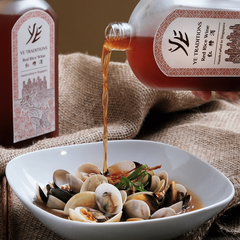


With so many rice wines on the shelf — and so much variation in quality — choosing the best one for cooking, confinement, or sipping can be confusing. This guide covers the main types of rice wine you'll find in Singapore, how to judge quality from the label and the glass, and a side-by-side comparison of our own handcrafted range to help you decide.
The main types of rice wine
Rice wine is a broad family. These are the varieties you're most likely to come across:
- Hakka Yellow Rice Wine (Huangjiu, 黄酒): a subtly sweet, floral, all-purpose rice wine and a staple of Hakka cooking. The everyday choice for soups, stir-fries, and braises.
- Red Glutinous Rice Wine (Hong Zao, 红糟酒): brewed with red yeast rice for a tangy sweetness and vivid ruby colour. The key ingredient in hong zao chicken and a confinement favourite.
- Shaoxing wine (绍兴酒): an amber wine known for rich, nutty, umami depth. Easy to find in supermarkets — but watch the label, as most versions add salt and sugar. (See our guide to Shaoxing wine substitutes.)
- Mijiu (米酒): a lighter, delicately sweet Chinese rice wine that complements ingredients rather than overpowering them.
- Infused rice wines: our Bentong Ginger and Ginseng rice wines are brewed with herbs for warmth and wellness.
How to choose the best rice wine
Once you know the type, quality comes down to what's in the bottle. Here's what to look for.
Reading the label
- Ingredients: the best, most traditional rice wines are made from just glutinous rice, water, and a natural rice-yeast starter. Be wary of added salt, sugar, or artificial flavouring — these are common in cheap "cooking wine" and detract from the natural taste. Ours are handcrafted and naturally fermented, with none of those additives.
- Type: supermarket "Huadiao (花雕)" or "Shaoxing Huadiao" wines are usually salted, which is why they work as a cheap cooking wine but taste flat when sipped. A clean, unsalted rice wine is far more versatile in the kitchen.
- Alcohol content: rice wine typically ranges from around 7% to 20% ABV. Higher-alcohol wines extract flavour a little more effectively in cooking, but the right level is really down to personal preference.
Colour, aroma, and flavour
- Colour: a good yellow rice wine has a clear yellow hue; a good red rice wine, a clear amber-to-ruby tone. Both should look clean, not cloudy — cloudiness can signal poor storage. Avoid wines that are unnaturally pale or dark, which may indicate artificial colouring.
- Aroma: the smell should be rich and inviting — dried rice, nuts, sometimes a hint of caramel, and an earthy warmth. A musty or off smell points to lower quality.
- Flavour: on the palate, look for a smooth balance of sweetness and gentle acidity, ranging from nutty and earthy to lightly fruity. As with any fermented product, a slight tartness is normal and simply down to personal taste.
Comparing our rice wines: which one to buy
If you're choosing between our own range, this comparison covers taste and typical uses. Everyone's palate differs, so these notes reflect what most of our customers find.
| Rice Wine Type | Taste Profile | Traditionally Used For | Popular Dishes |
| Red Rice Wine 红糟酒 | Robust, earthy, slightly sweet, mild alcohol | A warming wine, especially popular in confinement cooking | Hong zao chicken soup, drunken chicken, braised meats, marinades |
| Ginger Rice Wine 姜母酒 | Mildly sweet with a warming ginger kick | Traditionally used for warmth and during confinement | Ginger chicken soup, stir-fries |
| Ginseng Rice Wine 人参酒 | Mildly sweet with earthy, herbal notes | Traditionally enjoyed as an energising tonic | Health-focused soups and dishes |
| Yellow Rice Wine 黄酒 | Smooth, on the sweeter side, mildly alcoholic | The everyday all-purpose cooking base | Hakka chicken soup, drunken chicken, three cup chicken |
Why choose Ye Traditions rice wine?
- Authenticity: brewed using time-honoured methods passed down since 1912.
- Clean ingredients: only glutinous rice, water, and a natural starter — no salt, no added sugar, no preservatives — and SFA licensed.
- Aged for flavour: our wines are carefully aged, making them as good for sipping as for cooking.
You can taste the difference in person — we offer free rice wine tasting at our store, or browse the full rice wine collection online.
Frequently asked questions
What are rice wines good for?
As naturally fermented drinks, rice wines are versatile in cooking — tenderising meat, lifting aroma, and adding depth to soups and braises. Infused versions like ginger and ginseng are also enjoyed for their warmth in traditional wellness.
What can I cook with rice wine?
Almost anything savoury. A good first step is to replace salted Huadiao wine in your usual recipes. Explore our rice wine recipes for ideas.
How much should I use?
That's up to you. Add it towards the end of cooking rather than at a rolling boil, so the aroma isn't lost to evaporation.
What is the alcohol content?
Around 7% ABV for our wines — slightly more than a beer, though you won't be drinking a whole bottle. Strength varies by type and brew.
Is rice wine safe for children?
When cooked early in a dish, much of the alcohol evaporates. See our article on whether kids can consume rice wine for a fuller answer.
Not sure where to start? Browse our confinement rice wines or the full range →
Leave a comment