



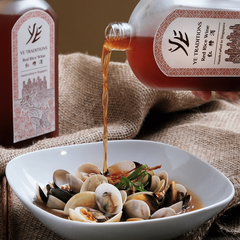


Shopping for rice wine in Singapore but not sure where to start? Whether you're buying for confinement recovery, everyday cooking, or as a gift, there are real differences between the types — and choosing the right one matters. This guide covers the main varieties available in Singapore, what each is best for, and how to pick one that suits your needs.
What Is Rice Wine?
Rice wine is a fermented alcoholic beverage made from glutinous rice, yeast, and water. Unlike grape wine, it is brewed through saccharification — a process where the starches in the rice are converted into sugars, which are then fermented into alcohol. The result is a warming, mildly sweet drink with a rich, complex flavour that has been central to Chinese culinary and wellness traditions for centuries.
In Singapore, rice wine holds a special place in confinement culture. Traditional Chinese confinement practices — observed by many Singaporean families after childbirth — rely heavily on rice wine as a key ingredient in nourishing soups, herbal dishes, and warming tonics designed to help new mothers recover and rebuild their strength.
Types of Rice Wine in Singapore
Not all rice wine is the same. Singapore mothers and home cooks typically use three main types, each with distinct characteristics and uses:
1. Red Rice Wine (红糟酒 / Hong Zao Jiu)
Red rice wine is made using red yeast rice (ang zao), which gives it its distinctive deep reddish-purple colour and earthy, slightly tangy flavour. It is the cornerstone of Hokkien-style confinement cooking and is widely used in Singapore for dishes like red wine chicken (红糟鸡) — a beloved confinement staple.
Key benefits:
- Rich in natural red yeast, known to support circulation and warmth
- Used in classic confinement dishes like red wine chicken (红糟鸡)
- Deep umami flavour that elevates soups and stir-fries
- No preservatives in traditionally crafted versions
Ye Traditions' Red Rice Wine (红糟酒) is handcrafted in Singapore with no added sugar or preservatives — making it one of the cleanest rice wine Singapore options on the market.
2. Yellow Rice Wine (米酒 / Mi Jiu)
Yellow rice wine has a lighter, sweeter flavour profile compared to red rice wine. It is the most versatile of the three and is used across a wide range of confinement soups, herbal broths, and everyday cooking. Cantonese-style confinement recipes frequently call for yellow rice wine in dishes like pig's trotter with ginger and black vinegar.
Key benefits:
- Milder and sweeter — suitable for sensitive palates
- Pairs well with ginger, sesame oil, and Chinese herbs
- Used in a broader range of confinement recipes
- Helps warm the body and improve circulation post-delivery
3. Ginger Rice Wine (姜酒 / Jiang Jiu)
Ginger wine is infused with fresh ginger during fermentation, giving it a spicy, warming kick. In Singapore confinement traditions, ginger is considered essential for expelling "wind" (风) from the body — a concept central to postpartum recovery in Traditional Chinese Medicine (TCM).
Key benefits:
- Warming properties help expel wind and cold from the body
- Supports digestion and reduces bloating
- Used in ginger wine chicken and herbal tonics
- Natural anti-inflammatory properties from the ginger
Why Rice Wine Is Central to Confinement in Singapore
Singapore's confinement tradition — typically lasting 28–44 days after childbirth — is rooted in the belief that a new mother's body needs warmth, rest, and nourishment to recover fully. Rice wine plays three key roles in this process:
1. Warmth and circulation: In TCM, childbirth causes a loss of "qi" (energy) and blood, leaving the body cold and vulnerable. Rice wine's warming properties help restore internal heat and improve blood flow.
2. Flavour without harshness: Unlike cooking wines laden with preservatives and salt, quality confinement rice wine Singapore adds rich depth to dishes without artificial additives — important for breastfeeding mothers.
3. Nutritional support: Fermented rice wine contains B vitamins and natural enzymes that support digestion and recovery.
Most confinement nannies and TCM practitioners in Singapore recommend having both red and yellow rice wine on hand, with ginger wine as a key supplement — exactly what the 28-Day Confinement Rice Wine Pack from Ye Traditions provides.
Rice Wine in Singapore Cooking (Beyond Confinement)
Rice wine isn't just for confinement mothers. It's a staple ingredient in Singaporean Chinese home cooking year-round. Common uses include:
- Drunken chicken (醉鸡): Whole chicken steeped in rice wine and aromatics — a classic at Chinese New Year tables
- Rice wine prawns: Steamed or poached prawns in a fragrant rice wine broth
- Braised pork belly: Red rice wine adds colour and umami depth to hong shao rou
- Marinades: A splash of rice wine tenderises meat and eliminates gamey odours
- Herbal soups: Combined with red dates, wolfberries, and goji, rice wine transforms a simple broth into a restorative tonic
How to Choose Rice Wine in Singapore
With so many options available, here's what to look for:
No preservatives or added sugar — Many commercial rice wines contain sodium benzoate or excessive sugar. For confinement use especially, choose a product with a clean ingredient list.
Traditionally fermented — Slow fermentation produces better flavour and retains more natural goodness compared to industrial methods.
Made in Singapore or Malaysia — Local production means fresher product with a shorter supply chain. Ye Traditions' rice wines are handcrafted in Singapore.
The right type for your recipe — Red for Hokkien-style dishes and red wine chicken, yellow for general cooking and Cantonese confinement recipes, ginger for warming tonics.
Frequently Asked Questions
Is rice wine safe during confinement?
Yes — confinement rice wine is a traditional and widely used ingredient in Singapore postnatal recovery. The alcohol largely evaporates during cooking in soups and stir-fries. Most confinement practitioners recommend using it in cooked form rather than drinking it neat.
How much rice wine do I need for 28-day confinement?
A full 28-day confinement typically requires approximately 3–5 bottles of rice wine depending on how frequently you cook confinement meals. The Ye Traditions 28-Day Confinement Rice Wine Pack is designed to cover a full month with the right quantities of red, yellow, and ginger wine.
Where can I buy confinement rice wine in Singapore?
Ye Traditions rice wine Singapore is available online with free delivery for orders above $120. Orders can be placed at yetraditions.com.
What is the difference between red and yellow rice wine?
Red rice wine uses red yeast rice in fermentation, giving it a richer, earthier flavour and its signature colour — ideal for Hokkien-style dishes. Yellow rice wine is lighter and sweeter — better for general cooking and Cantonese recipes.
Can I use rice wine for cooking even if I'm not doing confinement?
Absolutely. Rice wine is a versatile cooking ingredient used in everyday Chinese cuisine — from drunken chicken to braised meats to steamed seafood. It's a worthwhile pantry staple for any home cook.
Where to Buy Rice Wine in Singapore
If you're ready to buy, Ye Traditions offers Singapore's most trusted range of handcrafted rice wine — covering Hakka yellow wine, red rice wine, ginger rice wine, ang zao, and complete confinement packs. All products are SFA-certified, handcrafted without added colouring, salt, or sugar, and backed by highly-reviewed ratings from Singapore families. Delivery is available islandwide.
Leave a comment