





The first month after giving birth is one of the most physically demanding periods in a woman's life. In Singapore Chinese families, confinement food has always been the answer — a carefully considered way of eating built around recovery, warmth, and nourishment. It's not a trend, and it's not superstition. It's a body of knowledge accumulated across generations of mothers, grandmothers, and confinement nannies who understood something modern nutrition is only beginning to catch up with: that what you eat in those first 30 days shapes how well you recover for years to come.
This guide covers everything you need to know about Chinese confinement food in Singapore — the principles behind it, the dishes that matter most, what to eat each week, what to avoid, some go-to recipes, and how to approach the whole month whether you're cooking yourself or ordering in.
What is Chinese confinement food — and why does it matter?
Chinese confinement, known as 坐月子 (zuo yue zi) — literally "sitting the month" — is a postpartum recovery practice observed across Chinese communities throughout Singapore, Malaysia, Taiwan, and China. The core belief is that childbirth leaves the body depleted of warmth, blood, and qi (vital energy). Confinement food is designed to restore all three.
Practically, this means eating foods that are warming rather than cooling in nature, high in iron and protein, and prepared in ways that promote circulation and milk production. It means avoiding cold drinks, raw foods, and anything believed to introduce "wind" into the body.
From a modern nutritional standpoint, much of this holds up well. New mothers have significantly increased needs for iron, protein, calcium, and omega-3 fatty acids. Traditional confinement food addresses all of these through ingredients like eggs, pork liver, fish, sesame oil, ginger, and rice wine — all consumed in generous amounts throughout the month.
The tradition looks slightly different across dialect groups. Hokkien and Teochew families often lean on red rice wine, hong zao chicken, and mee sua. Cantonese confinement food tends to feature pig trotter vinegar, fish maw soup, and dang gui (angelica root). While this guide focuses on Chinese confinement food, Malay and Indian communities in Singapore have their own postnatal traditions built on the same idea of warming, restorative eating — sharing ingredients like ginger and turmeric. Most Singapore Chinese families today draw from a blend of these traditions, adapting to modern kitchens and schedules.
The key ingredients in traditional confinement food
Understanding why certain ingredients appear in nearly every confinement meal helps you make better choices — whether you're cooking yourself or evaluating a caterer's menu.
Old ginger (老姜) is the backbone of confinement cooking. Warming in nature, it's used in nearly every dish — fried in sesame oil before adding meat, added to soups, blended into ginger paste for washing. It's believed to expel "wind" and cold from the body after delivery. Bentong old ginger from Pahang is especially prized for its intensity.
Sesame oil (麻油) is used in large quantities — far more than everyday cooking. It's rich in antioxidants and has warming properties. The classic sesame oil chicken is one of the most fundamental confinement dishes for a reason.
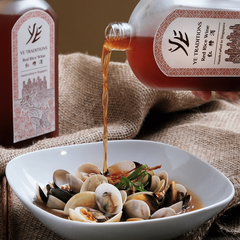
Rice wine (米酒 / 黄酒 / 红糟酒) appears in a remarkable number of confinement dishes. It's added to soups, braises, and stir-fries for depth of flavour, warmth, and to aid circulation. Red rice wine (红糟酒) is the key ingredient in hong zao chicken, the dish most synonymous with Hokkien confinement food. Yellow rice wine (黄酒) is used across a broader range of dishes as a cooking base. Authentic rice wine without added salt or artificial colouring makes a substantial difference — Ye Traditions' red rice wine and yellow rice wine are both made traditionally without additives.
Pork liver and kidney are high in iron and B vitamins, directly addressing the blood loss of childbirth. They're typically stir-fried quickly with sesame oil and ginger.
Black vinegar is central to Cantonese pig trotter vinegar (猪脚姜醋), one of the most recognisable confinement dishes in Singapore. The long-braised combination of pork trotter, hard-boiled eggs, ginger, and sweet black vinegar is both deeply warming and a traditional symbol of good luck for the new family.
Longan and red dates (龙眼干 / 红枣) appear in most confinement soups and teas, believed to nourish blood and improve energy. They're also genuinely delicious and easy to drink as a warm tea throughout the day.
Mee sua (面线) — thin wheat noodles — are the traditional confinement carbohydrate, often served in a rich broth with eggs and rice wine. Easy to digest, warm, and a symbol of longevity. See our full guide to mee sua.
Must-have confinement dishes every Singapore family knows
No two confinement menus look exactly the same, but these are the dishes you'll find in almost every Singapore Chinese home during the confinement month.
Hong Zao Chicken (红糟鸡) — The signature Hokkien confinement dish. Chicken is braised in red rice wine lees until deeply flavoured and the sauce turns rich red-purple. The quality of your red rice wine determines how good it turns out. Here's our authentic hong zao chicken recipe.
Sesame Oil Chicken (麻油鸡) — A simpler but equally essential dish. Chicken is fried in generous sesame oil with old ginger until fragrant, then braised with rice wine and water. Clean, warming, and deeply comforting.
Pig Trotter Vinegar (猪脚姜醋) — A Cantonese classic. Pork trotters slow-braised with young ginger and hard-boiled eggs in sweet black vinegar until tender and glossy. Rich in collagen, believed to aid recovery of joints and skin. See our pig trotter vinegar guide.
Mee Sua with Egg (面线蛋) — Confinement noodles in a warm broth, often with rice wine, topped with runny eggs. Simple, sustaining, and eaten multiple times a week throughout the month.
Stir-Fried Pork Liver with Sesame Oil and Ginger — High in iron and B vitamins, addressing post-birth blood loss directly. Cooked quickly so the liver stays tender.
Pork Rib Soup with Eucommia Bark and Black Beans — A warming tonic soup believed to strengthen the back, bones, and joints — all areas stressed by pregnancy and delivery.
Papaya Fish Soup — One of the few lighter dishes in the repertoire. Green papaya simmered with fish and peanuts in a milky broth believed to promote milk production.
What to eat week by week during confinement
Confinement nannies and traditional wisdom both suggest adjusting the food gradually across the month, starting with easier-to-digest dishes and increasing the richness as the body recovers.
Week 1: Gentle and cleansing. The focus is on expelling lochia (postpartum discharge) and warming the body carefully. Lighter soups, ginger, and mee sua feature heavily. Red dates and longan tea throughout the day. Less rice wine at this stage; more focus on ginger and sesame oil.
Week 2: Building blood. Pork liver, spinach, and iron-rich foods become more prominent. Soups get richer. Rice wine is introduced more actively — added to chicken dishes and braises to promote circulation.
Week 3: Strengthening and replenishing. The fuller confinement dishes come in — hong zao chicken, sesame oil chicken, pig trotter vinegar. Richer tonic soups with Chinese herbs. The body is ready to absorb more intensive nourishment.
Week 4: Maintenance and transition. Continuing the week-3 dishes while gradually reintroducing variety. By the end of the month, most new mothers have noticeably more energy and the diet starts moving back toward normal.
Confinement food recipes to start with
If you're cooking at home, a handful of recipes will carry you through most of the month. Start with the hong zao chicken and a simple mee sua soup, then rotate in sesame oil chicken and pig trotter vinegar. You can find more in our confinement recipe collection.
What food to avoid during confinement
The traditional avoidance list exists for reasons that made sense in older times and still holds practical logic today.
Cold and raw foods — Cold drinks, salads, and raw fruits are avoided because of their "cooling" nature in TCM terms. Practically, cold foods may cause digestive discomfort in a body working hard to recover.
Spicy food — Believed to affect breast milk and cause irritation. Most confinement nannies discourage chilli during the nursing period.
Wind-inducing vegetables — Cabbage, radish, and certain leafy vegetables are traditionally limited in the first two weeks.
Overly salty or processed foods — Water retention is already common postpartum; highly processed foods make this worse.
Alcohol not used in cooking — Rice wine is cooked into dishes so the alcohol largely evaporates. Drinking alcohol directly is a separate matter and not recommended, especially while breastfeeding.
The rules vary by family and dialect group. A good confinement nanny will adapt to your specific situation — these are guidelines, not rigid laws.
Confinement food in Singapore: catering vs. cooking yourself
Most Singapore families today use a combination of both.
Professional confinement caterers offer daily meal delivery for the full confinement period, removing the burden of cooking entirely — which matters enormously when you're exhausted and recovering. Prices typically range from $25–$45 per day for a full meal plan. The trade-off is that catered food rarely tastes quite like what your own family would make; dishes cooked in large batches can lack the depth of a slow braise made at home with good ingredients.
Cooking at home or with a confinement nanny gives you control over ingredients and flavour. If you have a nanny or family member who knows how to cook confinement food properly, this often produces the best results — especially with quality ingredients. The rice wine matters more here than anywhere, because a nanny cooking from scratch will use it in significant quantities across multiple dishes every day.
Many families do both: catering for the main meals and supplementing with home-cooked soups and herbal drinks.
Starting with the right ingredients
Whatever approach you take, the quality of your core ingredients shapes everything else. Old ginger, good sesame oil, and authentic rice wine are not places to cut corners — they're in almost every dish, every day, for a full month.
If you're sourcing rice wine for confinement cooking, look for one made without added salt or artificial colouring. You'll use it generously, and the cleaner the wine, the better your dishes will taste. Explore our full range of confinement rice wine — red and yellow, made traditionally and without additives. We ship across Singapore, whether you're a new mum, a confinement nanny stocking up, or a family preparing ahead.
Frequently asked questions about confinement food
How long does the confinement period last in Singapore?
The traditional Chinese confinement period is 30 days, though some families observe it for up to 44 days. Confinement food is typically eaten throughout the entire period.
What is the most important confinement food dish?
Most mothers and confinement nannies cite sesame oil chicken and pig trotter vinegar as the two non-negotiables. Hong zao (red rice wine) chicken is also widely recommended for its iron content and warming properties.
Is confinement food only for Chinese mothers?
No. While Chinese confinement practices are most widely followed in Singapore, Malay and Indian cultures have their own postnatal dietary traditions with similar principles of warming, restorative foods. Many core ingredients — ginger, sesame oil, turmeric — are shared across traditions.
Can I drink rice wine during confinement if I am breastfeeding?
In traditional practice, rice wine is used as a cooking ingredient where the alcohol largely cooks off. Ye Traditions confinement rice wines are designed for cooking. If you are breastfeeding and concerned about alcohol content, consult your doctor or healthcare provider.
Where can I buy confinement food ingredients in Singapore?
Wet markets and TCM shops carry most fresh confinement ingredients. For rice wine, Ye Traditions ships islandwide — browse the confinement rice wine collection for options suited to cooking and gifting.
Wishing you and your family a nourishing, restful confinement month. 好好坐月子.
Leave a comment