





Why Confinement Rice Wine Matters for Postpartum Recovery: A Singapore Mum's Guide
After childbirth, your body goes through one of the most demanding recoveries of your life. In Singapore Chinese tradition, the confinement month (坐月子) is a sacred 28 to 40-day period where new mothers are nourished back to strength through warmth, rest, and carefully prepared confinement food.
At the heart of this tradition sits one humble but powerful ingredient: confinement rice wine. From hong zao chicken to ginger sesame oil chicken soup, nearly every iconic Singapore Chinese confinement dish leans on this fermented wine for warmth, healing, and flavour. But why does it actually matter? And is there real wisdom behind what our grandmothers have been doing for generations?
The Role of Rice Wine in Traditional Chinese Confinement
In Hokkien, Teochew, and Hakka families across Singapore, the confinement period is built around one core principle: restore warmth (温补) to a depleted body. Childbirth is seen as an event that drains "Qi" (vital energy) and "Xie" (blood), and leaves the body vulnerable to cold and "wind" (风). The confinement month exists to gently rebuild that balance.
Confinement rice wine — both red rice wine (红糟酒) and yellow rice wine (黄酒) — has been a cornerstone of this tradition for centuries. It's not a luxury ingredient. It's a functional one. Mothers drink it in soups, eat it stewed with chicken, and have it stir-fried with kidney, pork trotters, or eggs. Different dialect groups use it slightly differently, but the underlying idea is the same: warm the body, support recovery, and bring strength back to a tired mum.
In Singapore, where confinement nannies still play an important role in many Chinese households, you'll find confinement rice wine on almost every shopping list — right alongside ginger, sesame oil, black vinegar, and kampung chicken.
The TCM Perspective: Warmth, Blood, and Wind
From a Traditional Chinese Medicine standpoint, confinement rice wine is considered "warming" in nature, which makes it ideal during a postpartum phase when the body is believed to be cold and weak. TCM practitioners describe several key benefits:
- Promotes blood circulation: After labour, blood flow needs to be restored, particularly to the womb. Warming foods and rice wine are believed to help with this.
- Dispels "wind" from the body: "Wind" (风) is a TCM concept referring to the feeling of cold air and aches settling into joints. New mums are considered especially vulnerable to it.
- Tonifies qi and blood: Confinement rice wine, when paired with ingredients like ginger, kampung chicken, is thought to strengthen the body's vital energy.
- Warms the womb: A "warm womb" is considered essential for full healing and for fertility in the future. This is why almost every classic Singapore confinement recipe: hong zao chicken, sesame oil chicken, pig liver soup with ginger, stir-fried pork kidney, will include either red or yellow rice wine or ginger wine as the warming base.
Okay...What Does Modern Science Says About Fermented Rice Wine
Tradition is one thing — but does science back it up? Increasingly, yes. Fermented foods like rice wine are being studied for their nutritional and gut-health benefits, and the findings line up surprisingly well with what Chinese mothers have known for generations. A few things modern research and food science point that fermentation increases bioavailability: The fermentation process used to make rice wine breaks down complex carbohydrates and proteins, making nutrients easier for the body to absorb — useful for a mum who needs recovery fuel.
Also, our favourite Red yeast rice (in 红糟酒) contains beneficial compounds. Red yeast rice has long been studied in food science and traditional medicine for its potential effects on circulation and metabolism. When rice wine is simmered into chicken soup or braised dishes, most of the alcohol evaporates — leaving behind warmth, flavour, and nutritional depth. So while you shouldn't expect rice wine alone to do the work of postpartum recovery, the combination of warmth, fermentation, and well-prepared confinement food creates conditions that genuinely support healing.
How Confinement Rice Wine Is Used Day to Day
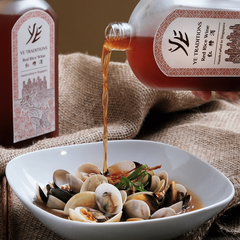
If you're new to confinement food, here's a look at how rice wine actually shows up in everyday meals - there's a whole bunch of recipes here you should check out, such as Hong zao chicken (红糟鸡), Ginger and rice wine eggs, Rice wine fish soup. Most Singapore confinement nannies will rotate through these dishes across the 28 days, ensuring variety, balance, and steady nourishment. Authentic, handcrafted rice wine makes a noticeable difference here — both in flavour and in how the body responds to it.
Choosing the Right Confinement Rice Wine in Singapore
Not all rice wines are created equal. Supermarket cooking wine is often heavily processed, contains added salt, and lacks the depth and purity needed for confinement use. For postpartum recovery, you want a confinement rice wine that is: Brewed traditionally, with no artificial additives and made from quality glutinous rice and red yeast rice (for red rice wine) It is also important that it's free from unnecessary salt or preservatives
Postpartum recovery is not a sprint. It's a slow, intentional process, and really the small, daily rituals matter most. A warm bowl of soup. A pot of chicken stewed in rice wine. The smell of ginger and red yeast filling the kitchen. These are the things that have helped Singapore mothers heal for generations, and they still work today. If you're preparing for confinement, or shopping for a loved one who is, choosing a high-quality rice wine is one of the simplest, most meaningful ways to support recovery.
Visit us to find our handcrafted range, made the traditional way, in Singapore, with the care every new mum deserves.
Leave a comment