



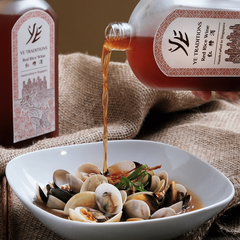


Mee sua (面线), also spelled misua or mi sua and known in Mandarin as mian xian, are one of Singapore's most beloved traditional ingredients — eaten at birthdays, served during confinement, and gifted at celebrations as a symbol of long life. Often called longevity noodles in English, they carry deep cultural meaning and genuine nutritional value. This guide covers what they are, why they matter, how to cook mee sua soup, how many calories they contain, and where to buy quality mee sua in Singapore.
What is Mee Sua? (面线)
Mee sua (面线, literally "noodle thread") are extremely thin, delicate noodles made from wheat flour. You may see them written as misua, mi sua, or mian xian — all refer to the same noodle. They are a staple of Hokkien, Teochew, and Fujian cuisine, and have been eaten across Southeast Asia for centuries. The noodles are typically sold dried in loose, folded bundles and cook within 1–2 minutes in boiling water or broth.
In Singapore, mee sua are most commonly associated with three occasions: birthdays (where they symbolise long life), confinement (postnatal recovery), and festive family meals. They are one of the few noodles that appear across almost all Chinese dialect groups in Singapore — Hokkien, Teochew, Cantonese, and Hakka alike.
Mee sua should not be confused with bee hoon (rice vermicelli), which is made from rice flour and has a slightly different texture. Mee sua are wheat-based, slightly softer, and have a more delicate mouthfeel when properly cooked.
The Cultural Significance of Mee Sua in Singapore
The Chinese phrase 吃面线 ("eat mee sua") is synonymous with celebrating a birthday or wishing someone long life. The noodles' length is intentional — mee sua are never cut before cooking, as cutting them is believed to shorten one's lifespan.
This symbolism runs deep in Singapore's Chinese heritage. At birthday celebrations, mee sua is traditionally served in sesame oil and rice wine broth, topped with a hard-boiled egg dyed red — both symbolising luck and prosperity. At first-month (满月, mǎnyuè) celebrations for newborns, mee sua is also served to guests as part of the celebration spread.
Beyond birthdays, mee sua is a key confinement food. During the 30-day postnatal recovery period, it is prepared daily in warming broths — often with sesame oil, old ginger, and rice wine — to help new mothers replenish strength and promote circulation.
Mee Sua During Confinement: Benefits and Tradition
In traditional Chinese confinement practice, mee sua is eaten almost daily during the recovery period. It's easy to digest, quick to prepare, and takes on the flavour of whatever broth it's cooked in — making it ideal for confinement soups and stews.
When cooked with sesame oil, old ginger, and confinement rice wine, mee sua becomes more than just food — it's part of a warming, restorative meal traditionally believed to:
- Replenish energy and support recovery after childbirth
- Improve blood circulation through the warming properties of ginger and rice wine
- Support digestion with easily absorbable wheat-based carbohydrates
- Boost overall warmth during the "cold body" phase of confinement
Many confinement nannies in Singapore serve mee sua with rice wine and egg at least two to three times per week during the confinement month. It is one of the most commonly cited confinement dishes by Singapore mothers. For the full picture of what to eat during the month, see our complete guide to Chinese confinement food.
How to Cook Mee Sua: 3 Classic Mee Sua Soup Recipes
Mee sua cooks fast — typically in 1–2 minutes — and absorbs broth flavour readily. It should be added to soup at the very end to prevent overcooking. Here are three classic Singapore preparations:
Sesame Oil Mee Sua with Egg (麻油面线蛋)
The most traditional birthday and confinement preparation. Simple, warming, and deeply satisfying.
Ingredients: 1–2 bundles of mee sua, 2 tbsp sesame oil, 3–4 slices old ginger, 2 eggs, 2 cups water or chicken broth, salt to taste.
Method: Heat sesame oil in a pot and fry ginger slices until fragrant and slightly golden. Add water or broth and bring to a boil. Add mee sua bundles and cook for 1–2 minutes until just soft. Crack eggs directly into the soup and allow to poach for 2 minutes. Serve immediately.
Confinement Mee Sua Soup with Rice Wine (姜酒面线)
The addition of rice wine makes this a warming version favoured for postnatal recovery. This recipe pairs with Bentong Ginger Rice Wine for extra warmth.
Ingredients: 2 bundles mee sua, 3 tbsp sesame oil, 5–6 slices old ginger (preferably Bentong ginger), 2 eggs, 100ml confinement rice wine, 2 cups chicken broth, spring onion to garnish.
Method: Fry ginger in sesame oil until fragrant. Add chicken broth and rice wine and bring to a gentle boil — avoid a vigorous boil, which drives off the wine's aroma. Add mee sua and cook 1–2 minutes. Poach eggs in the broth. Garnish with spring onion and serve.
For a step-by-step guide to the full confinement version, see our Ginger Rice Wine with Egg and Mee Sua recipe.
Red Glutinous Rice Wine Mee Sua (红糟面线)
A Hokkien and Fuzhou variation using hong zao (red yeast rice paste) for a deeper, earthier flavour and vivid crimson colour. Popular in Fujian-heritage households in Singapore.
Ingredients: 2 bundles mee sua, 2 tbsp hong zao (red yeast rice paste), 2 tbsp sesame oil, 4 slices old ginger, 2 eggs, 2 cups pork or chicken broth.
Method: Fry ginger in sesame oil. Add hong zao and stir briefly until fragrant. Add broth and bring to a boil. Add mee sua and cook until soft. Poach eggs. Serve garnished with a drizzle of sesame oil.
Add chicken to this broth and you have red wine chicken mee sua, one of the best-loved Hokkien dishes in Singapore. See our full Hong Zao Chicken (红糟鸡汤) recipe for the complete dish.
Mee Sua Calories and Nutrition
Mee sua is a wheat noodle, so it is primarily a source of carbohydrates. As a rough guide, dried mee sua contains roughly 340–360 calories per 100g, which works out to approximately 170–180 calories for a typical 50g bundle before any broth or toppings are added. Figures vary by brand, so check the packaging for exact values.
Two things are worth knowing:
- Sodium: salt is used in the traditional stretching and drying process, so mee sua can be surprisingly high in sodium. Blanching the noodles briefly in plain water before adding them to your broth removes a good portion of the surface salt — and means you can season the soup yourself.
- Not gluten-free: mee sua is made from wheat flour and is unsuitable for anyone avoiding gluten.
In practice, most of a mee sua dish's nutrition comes from what goes in the bowl with it — the egg, the chicken, the sesame oil, and the broth.
Mee Sua vs Other Noodles: What's the Difference?
Mee sua is often confused with other thin noodles. Here's how it compares to the most common alternatives in Singapore:
- Mee sua vs bee hoon (米粉): Bee hoon is made from rice flour and is firmer with a more neutral flavour. Mee sua is wheat-based, softer, and more delicate. They are not interchangeable in most recipes.
- Mee sua vs tang hoon (冬粉): Tang hoon (glass noodles) are made from mung bean starch, are transparent when cooked, and have a chewy, bouncy texture. Mee sua is opaque and much softer.
- Mee sua vs kway teow (粥条): Kway teow are flat, wide rice noodles used in char kway teow and similar dishes. They share no similarity with mee sua in texture or use.
For confinement cooking and birthday soups, mee sua is the traditional choice — its soft texture and ability to absorb broth make it uniquely suited to these preparations.
Where to Buy Mee Sua in Singapore
Mee sua is widely available at wet markets, supermarkets (NTUC FairPrice, Sheng Siong, Cold Storage), and Chinese provision shops. Look for bundles that are evenly thin and pale white — yellowing can indicate age or poor storage.
Ye Traditions carries Premium Longevity Mee Sua (长寿面线), available in 480g (8–9 pieces) packs, selected for quality and suited to confinement cooking. Pair it with Ye Traditions confinement rice wines for a complete postnatal meal kit:
- Bentong Ginger Rice Wine — deeply warming, ideal for ginger mee sua soup
- Confinement Rice Wine Collection — full range for postnatal cooking
Frequently Asked Questions About Mee Sua
Is mee sua the same as misua?
Yes. Mee sua, misua, and mi sua are different romanisations of the same Hokkien word. In Mandarin the noodle is called mian xian (面线), and in English it is often translated as longevity noodles. They all describe the same thin wheat noodle.
How many calories are in mee sua?
Dried mee sua contains roughly 340–360 calories per 100g, so a typical 50g bundle is around 170–180 calories before broth and toppings. Exact figures vary by brand, so check the label.
What does mee sua taste like?
On its own, mee sua has a mild, slightly wheaty flavour, and can taste faintly salty. It absorbs whatever broth it's cooked in, so the flavour of the final dish comes primarily from the soup base — sesame oil, ginger, rice wine, or stock. This makes it extremely versatile.
How long do you cook mee sua?
Mee sua cooks very quickly — typically 1 to 2 minutes in boiling liquid. It will continue to absorb liquid after cooking, so it should be served immediately or kept in separate broth until serving. Overcooked mee sua becomes mushy and loses its texture.
Is mee sua healthy?
Mee sua is a source of carbohydrates and provides energy. When served in warming broths with ginger and sesame oil — as is traditional in confinement and birthday preparations — the full dish is considered nourishing and restorative in TCM philosophy. Note that it is not gluten-free, and that it can be high in sodium unless blanched first.
Can mee sua be eaten outside of birthdays and confinement?
Yes — while mee sua is most strongly associated with these occasions, it can be eaten as a simple everyday noodle soup. It is common in Hokkien and Fujian households as a weekday lunch or light supper.
What is the difference between mee sua and longevity noodles?
Mee sua is the Hokkien and Teochew term for what is often called "longevity noodles" in English. In Mandarin they are called 面线 (miàn xiàn). The term "longevity noodles" is an English translation that captures the cultural symbolism — the noodles' length represents a long life.
Leave a comment