



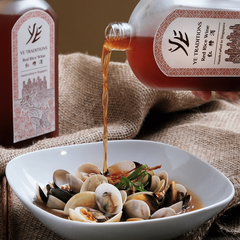


Yellow Wine Chicken Recipe: 3 Traditional Methods (黄酒鸡)
---
My grandmother used to say, "黄酒鸡汤暖心暖胃" — yellow wine chicken soup warms both heart and stomach. She wasn't wrong. I still remember watching her in the kitchen, the golden wine shimmering as she poured it over the sizzling chicken, filling the whole house with that sweet, warming aroma.
That was nearly 30 years ago. Today, we're still handcrafting the same Hakka yellow wine she used, following the same traditional methods passed down through generations. And I'm sharing her recipe (plus two modern versions) with you today.
If you've only tried hong zao chicken and found it too intense, yellow wine chicken is your answer. It's lighter, sweeter, and just as comforting — perfect for confinement meals, rainy evenings, or whenever you need a bowl of warmth.
---
What Makes Yellow Wine Chicken Special?
Here's something we've learned from 20+ years of handcrafting rice wines: the wine makes or breaks this dish.
I can't tell you how many customers have told us, "I tried making this before and it tasted... wrong." Nine times out of ten, they used supermarket "cooking wine" — the kind with added salt, MSG, and preservatives. That's not real yellow wine.
Real Hakka yellow wine (客家黄酒) should:
- Be naturally fermented from glutinous rice
- Have a golden-amber color
- Smell slightly sweet and aromatic (never vinegary!)
- Contain no preservatives or additives
When you use authentic wine, the chicken absorbs that delicate sweetness and the soup becomes naturally savory without needing much seasoning. That's the magic.
Yellow vs Red Rice Wine: What's the Difference?
We get asked this constantly at markets and pop-ups. Here's the honest comparison:
Yellow Wine:
- Lighter, more delicate flavor
- Sweeter and less earthy
- Golden-amber color
- Perfect for those who find red wine too strong
- Traditionally used in Hakka cooking
Red Rice Wine:
- Bolder, earthier taste
- Deep burgundy color
- Richer, more intense
- Classic for hong zao chicken (红糟鸡)
- Fujian/Fuzhou tradition
Both are incredible — it's just personal preference. Sarah, one of our long-time customers, puts it perfectly: "I use red wine when I want something hearty and bold, yellow wine when I want comfort and sweetness."
---
Method #1: Traditional Hakka Style (Grandmother's Recipe)
This is the recipe I grew up with. It takes time, but the result is worth it — a soup so aromatic and nourishing, you'll understand why confinement nannies swear by it.
Cooking Time: 50-60 minutes
Servings: 4-6 people
Best For: Special occasions, confinement meals, when you want to do it right
Ingredients
- 1 whole kampung chicken (1-1.5kg) — free-range if possible
- 300ml Hakka yellow wine (we handcraft ours here)
- 8-10 slices fresh old ginger (thick slices!)
- 3 tbsp sesame oil (use good quality — you'll taste the difference)
- 5 red dates, pitted
- 10g goji berries
- About 500ml water
- Salt to taste (you won't need much)
Step-by-Step Instructions
Step 1: Prep the Chicken
Cut the chicken into 10-12 pieces, keeping the bones in. I know boneless seems easier, but trust me — the bones add incredible depth to the soup. My grandmother always said, "骨头才有精华" (the essence is in the bones).
Pat everything completely dry. This is crucial. Water and hot oil don't mix, and you want a good sear.
Step 2: Fry the Ginger (Don't Skip This!)
Heat your wok on medium-high. Add the sesame oil and wait until it shimmers.
Throw in ALL your ginger slices. You want to fry them for a good 2-3 minutes until they're golden and the edges start to crisp. Your kitchen should smell incredible.
This step does two things: it infuses the oil with ginger flavor AND removes the "raw" taste that can make your soup bitter. I learned this the hard way when I tried to rush it once — the soup tasted flat.
Step 3: Sear the Chicken Properly
Add your chicken pieces in a single layer. Don't crowd the wok. Sear each side for 4-5 minutes until they're golden brown.
I know it's tempting to stir constantly, but resist! Good browning = deep flavor. This is where the magic happens.
Step 4: Add the Wine (The Best Part)
Pour in 300ml of yellow wine. It should sizzle and steam immediately — that's the sound of flavor developing!
Add just enough water to barely cover the chicken (about 500ml). Here's a tip from years of making this: less water = more concentrated flavor. You can always add more, but you can't take it away.
Toss in your red dates now.
Step 5: The Long Simmer
Bring everything to a boil, then immediately reduce to a gentle simmer. Cover the wok and let it work its magic for 35-40 minutes.
During confinement month, my sister-in-law's nanny used to say this is when the wine's "warming properties" fully infuse the chicken. Whether you believe in TCM or not, the soup does become incredibly aromatic.
Step 6: Final Touches
Add your goji berries in the last 5 minutes (they get mushy if you add them earlier).
Taste the soup. You might not need salt at all — the wine adds natural saltiness. If you do, add just a pinch.
Serve piping hot with steamed rice. The soup should be golden with a light, sweet wine aroma. If it smells strongly of alcohol, simmer uncovered for another 5 minutes to cook it off.
What Our Customers Say
"I made this for my confinement and my mother-in-law was shocked — she said it tasted better than what she grew up with! The Ye Traditions wine made all the difference." — Michelle T.
"Finally found a recipe that tastes like what my Hakka grandmother used to make. The trick really is in using authentic yellow wine." — David L.
---
Method #2: Quick Version (Busy Weeknights)
Look, I get it. Sometimes you want yellow wine chicken but you don't have an hour. This is my weeknight version — still delicious, just faster.
Cooking Time: 30 minutes
Servings: 3-4 people
Best For: When you're tired and need comfort food NOW
What's Different
Instead of a whole chicken, use 500g boneless chicken thighs (cut into chunks). They cook faster and you skip the chopping.
Use 200ml wine instead of 300ml (smaller portion = less wine needed).
The rest stays pretty similar: ginger, sesame oil, water. Optional soy sauce for extra umami.
Quick Instructions
1. Heat oil, fry 5-6 ginger slices for 1 minute
2. Add chicken chunks, stir-fry 3-4 minutes until browned
3. Pour in wine + 300ml water
4. Bring to boil, then simmer covered for 20 minutes
5. Season, serve!
The honest truth: It won't have quite the same depth as Method #1 (no bones = less rich), but it's still comforting and delicious. I make this version at least twice a month when work gets crazy.
---
Method #3: Confinement Special (Extra Nourishing)
This is what we recommend for new mothers during their confinement month. It's basically Method #1 but amplified — more wine, more ginger, more nourishing ingredients.
Cooking Time: 60 minutes
Servings: 2-3 servings (for new mothers)
Best For: Postpartum recovery, when you need serious nourishment
Enhanced Ingredients
Everything from Method #1, PLUS:
- 350ml yellow wine (instead of 300ml — extra for recovery)
- 10 slices ginger (more warming properties)
- 4 tbsp sesame oil (richer)
- 10g dried longan (龙眼肉) — calms the mind
- 3-4 pieces dried black fungus (soaked) — good for blood
- Small piece rock sugar (optional, for energy)
Why the Extra Ingredients?
From a TCM perspective (and I'm not a doctor, but this is what confinement nannies have told us for years):
- Extra wine helps "expel wind" that enters during childbirth
- More ginger warms the body and promotes circulation
- Longan nourishes blood and helps with postpartum anxiety
- Black fungus traditionally supports recovery
Our customer Jenny shared: "I was skeptical about all the confinement rules, but after drinking this soup 3x a week, I honestly felt stronger. Maybe it's the wine, maybe it's the ritual — either way, it helped."
Instructions
Follow Method #1 exactly, but:
- Use 350ml wine (not 300ml)
- Add longan and black fungus with the red dates
- Simmer for 45-50 minutes (longer extraction)
- Add rock sugar in last 10 minutes if using
Serving note: New mothers typically drink this 2-3 times per week during the confinement month. Not every day — balance is important.
---
The Ingredients That Matter
1. The Wine (Non-Negotiable)
I'll be blunt: if you use supermarket "cooking wine," you're wasting your time.
Real Hakka yellow wine should list only: glutinous rice, water, yeast. That's it. If you see "salt," "preservatives," "flavor enhancer" — put it back.
We've been handcrafting our yellow wine in Singapore for over 20 years using traditional fermentation. No shortcuts, no additives. Just rice, water, time, and care. You can find it here.
Not to toot our own horn, but quality wine genuinely makes a night-and-day difference. We've had customers tell us their soup "finally tastes right" after switching to authentic wine.
2. Chicken Matters Too
Best choice: Kampung chicken, free-range, or organic. They have more flavor and firmer texture.
Good choice: Regular whole chicken or bone-in thighs.
Fast choice: Boneless thighs (less flavor but cooks faster).
Please avoid: Chicken breast. It gets dry and tough in soups. Don't do it.
3. Ginger: Old vs Young
Use old ginger (mature ginger with thick skin). It's more pungent and has stronger "warming" properties.
Young ginger is too mild for this dish. Save it for pickling.
And don't be shy with the amount — ginger balances the wine's sweetness perfectly.
---
Common Mistakes (I've Made Them All)
"My soup is watery and bland!"
Cause: Too much water.
Fix: Use just enough to barely cover the chicken. The soup should be concentrated and flavorful, not diluted.
Also, make sure you're searing the chicken properly. That's where flavor develops.
"The chicken is tough and dry!"
Cause: You over-simmered it OR used chicken breast.
Fix: 40 minutes max for bone-in chicken, 20-25 for boneless. Use dark meat only.
"It doesn't taste like yellow wine chicken at all!"
Cause: 99% chance you used low-quality cooking wine.
Fix: Switch to authentic Hakka yellow wine. It should smell sweet and aromatic, not harsh or vinegary.
"The soup is too sweet!"
Cause: Too much wine, not enough ginger.
Fix: Balance wine with proper ginger ratio (8-10 slices per 300ml wine). The ginger cuts the sweetness.
---
Health Benefits: What We Know
I'm not going to make wild health claims, but here's what traditional Chinese medicine practitioners and our customers have told us over the years:
For Everyone:
- Yellow wine aids digestion (the fermentation creates beneficial compounds)
- Warming properties help with circulation
- Rich in amino acids from natural fermentation
For Postpartum Mothers:
- Gentle on the stomach (lighter than red wine)
- Traditionally believed to help "expel wind" after childbirth
- Warming without being overwhelming
- Many confinement nannies recommend it
For Cold Weather:
- Incredibly comforting on rainy Singapore days
- Warms you from the inside
- Satisfying without being heavy
Note: Contains alcohol (though most cooks off during simmering). Consult your doctor if pregnant or nursing.
---
Serving & Storing
Traditional Pairing
- Steamed white rice (essential!)
- Simple stir-fried greens (kailan, choy sum)
- Steamed egg if you want extra protein
Modern Twists We Love
- Pour over rice noodles for a complete meal
- Add baby bok choy in the last 10 minutes
- Serve with quinoa (healthier grain)
- Make extra soup for noodles the next day
Leftover Magic
Day 2 soup is even better — the flavors meld overnight. Reheat gently, don't boil.
You can freeze the soup for up to 3 months. The chicken texture might change slightly, but the soup stays delicious.
---
Your Questions Answered
Q: Can I use Shaoxing wine instead of yellow wine?
They're completely different! Shaoxing is darker, more robust, almost like Chinese sherry. Yellow wine is lighter and sweeter. Using Shaoxing will give you a totally different dish (still good, just not yellow wine chicken). The problem is that Shaoxing wine nowadays are made with preservatives, so would you drink a whole bunch of it? Not me.
Q: How much wine per kg of chicken?
200-300ml per kg for regular meals. For confinement, go for 300-350ml (more wine = more benefits according to TCM).
Q: Can kids eat this?
Most of the alcohol cooks off during the long simmer. We've had many customers say their kids love it. But check with your pediatrician if you're concerned.
Q: What's the difference between this and drunken chicken (醉鸡)?
Totally different! Drunken chicken is served cold with raw wine poured over it. Yellow wine chicken is a hot soup where the wine is cooked.
Q: Can I make this ahead?
Absolutely! Make it the night before. The flavor actually improves overnight.
---
Final Thoughts from Our Kitchen to Yours
Yellow wine chicken isn't just food — it's comfort, tradition, and connection to the generations before us.
Whether you're making it for confinement, a rainy evening, or just because you're craving something warm and nourishing, this dish delivers every time.
The secret? Start with good ingredients. Use authentic yellow wine. Don't rush the process. And cook it with the same care my grandmother did 30 years ago.
We've been handcrafting Hakka yellow wine here in Singapore since 1912 because we believe in keeping these traditions alive. When you taste the difference real wine makes, you'll understand why.
Ready to make your own? Shop our handcrafted Hakka Yellow Wine and start a new family tradition.
Got questions? Drop them in the comments — we read every single one and love hearing how your yellow wine chicken turned out! 🍲
---
Shop Our Handcrafted Rice Wines
- Hakka Yellow Wine - For this recipe
- 28-Day Confinement Pack - Complete confinement set
- Red Rice Wine - Try hong zao chicken too
- All Rice Wines - Our complete collection
*Handcrafted in Singapore with no preservatives or additives since 1912. Family recipes, traditional methods.*
Leave a comment