



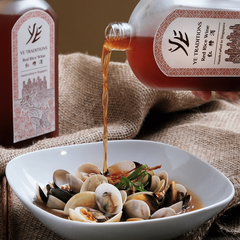


If you've ever sat at a Singapore auntie's table during the confinement month, chances are you've tasted hong zao chicken — and chances are, you haven't stopped thinking about it since. Made with fragrant confinement rice wine and tender kampong chicken, this beloved one-pot dish has been passed down through generations of Fujianese and Hakka families in Singapore.
Whether you're cooking confinement meals for a new mother, preparing a Chinese New Year feast, or simply craving something deeply warming on a rainy day, this authentic step-by-step recipe will get you there.
What makes this recipe special:
- Uses authentic handcrafted confinement rice wine — not supermarket cooking wine
- Simple 7-step process, beginner-friendly
- Rich in probiotics and warming properties (TCM benefits)
- Perfect for confinement, celebrations, or everyday comfort food
What Is Hong Zao Chicken — And Why Is It a Confinement Staple?
Hong zao chicken (红糟鸡汤) literally translates to "red yeast chicken soup." It's a traditional Fuzhou dish featuring four key elements:
- Red rice wine (红糟酒): Fermented with red yeast rice, giving the soup its signature burgundy colour
- Tender chicken: Usually kampong chicken or bone-in pieces for maximum flavour
- Aromatic ginger: Balances the wine and adds warmth
- Hong zao lees (红糟): The fermented rice sediment that adds depth and colour
Traditional Chinese medicine and generations of confinement wisdom both point to the same truth: warmth is everything after birth. Confinement rice wine is believed to improve blood circulation, warm the womb, dispel "wind" from the body, and support postpartum recovery. When you cook chicken in rice wine, the alcohol cooks off — but the therapeutic warmth and incredible depth of flavour remain.
Beyond confinement, hong zao chicken is a staple at CNY family gatherings and a comfort food for anyone who grew up eating it at their grandma's table.
Ingredients You'll Need
Serves 3–4. Easily doubled for a full week of confinement meals.
Main Ingredients
- 1 whole kampong chicken (1–1.2kg), cut into pieces — kampong chicken preferred for richer flavour
- 200–300ml red rice wine (红糟酒) — use authentic handcrafted rice wine, not supermarket cooking wine
- 200g hong zao lees (红糟) — adds deeper colour and flavour
- 5–6 slices old ginger, lightly bruised — use mature ginger for stronger flavour
- 2 tablespoons sesame oil
- 500ml–1L water, enough to just cover the chicken
- Salt or fish sauce, to taste
- A small handful of wolfberries (枸杞), for garnish and extra nourishment
On choosing your confinement rice wine: The wine is the heart of this dish. Supermarket "cooking wine" contains salt, preservatives, and tastes flat — avoid it. Use a traditionally brewed confinement rice wine like Ye Traditions Red Rice Wine, where the hong zao lees are thick, fragrant, and deeply pigmented.
Step-by-Step: How to Cook Hong Zao Chicken
Prep time: 10 minutes | Cook time: 40 minutes | Total: 50 minutes
Step 1: Prepare the chicken
Rinse the chicken thoroughly under cold running water. Remove excess fat from the cavity and neck. Cut into 8–10 pieces — thighs, drumsticks, wings, and breast halves. Pat completely dry with paper towels. Wet chicken won't sear properly. If you have time, let the pieces sit at room temperature for 15 minutes before cooking.
Step 2: Heat your wok or pot
Use a large wok or dutch oven big enough to hold all the chicken. Heat on medium-high until a drop of water sizzles immediately. Add the sesame oil and wait until fragrant, about 30 seconds. Sesame oil adds a nutty warmth that complements the wine beautifully — don't skip it.
Step 3: Fry the ginger
Add the ginger slices to the hot oil and fry for 1–2 minutes until fragrant and the edges are slightly golden. Your kitchen should start smelling like a proper confinement kitchen at this point.
Step 4: Sear the chicken
Add the chicken pieces and hong zao lees to the wok. Sear for 3–5 minutes without moving them, then flip and sear the other side for another 3 minutes. You want golden-brown edges, not fully cooked chicken. This step locks in the juices and builds deeper flavour through caramelisation — don't rush it.
Step 5: Add water and simmer
Add water until the chicken is just barely covered (500ml–1L depending on your pot). Bring to a rolling boil over high heat, then reduce to low, cover, and simmer for 30–40 minutes. Pierce the thickest piece at 30 minutes — juices should run clear. Don't over-simmer or the meat becomes dry and stringy.
Step 6: Add the confinement rice wine
Pour in 200–300ml of red rice wine — this is the magic moment. The colour transforms immediately and the aroma that rises from the pot is unmistakably confinement. Stir to coat all the chicken, then let it bubble for 1–2 minutes so the alcohol cooks off. Don't be shy with the wine — 200ml minimum for authentic flavour; go to 300ml if you love a wine-forward dish.
Step 7: Season and serve
Scatter in the wolfberries for the final 5 minutes of cooking. Taste the soup — it should be rich, slightly sweet, and deeply aromatic. Season with salt or fish sauce, starting with half a teaspoon and adjusting from there. Drizzle a little extra sesame oil for aroma and serve hot over steamed white rice or mee sua.
Tips for Getting It Right Every Time
Choose the right confinement rice wine. This is the single most important variable. A well-brewed confinement rice wine should smell fragrant and slightly sweet, with a warm, round flavour. If it smells sour, thin, or overly alcoholic, it will drag down the entire dish. Browse Ye Traditions' confinement rice wine collection for rice wine brewed the old-fashioned way — no shortcuts, no preservatives.
Use kampong chicken, not broiler chicken. Kampong chicken has firmer meat that holds up better during simmering and a richer, more complex flavour. Use older chickens for soups — young spring chickens are better for steaming.
Don't add too much water. You want a concentrated, flavourful broth, not a diluted one. Just enough to barely cover the chicken.
Taste as you go. Every bottle of rice wine has a slightly different sweetness and intensity. Trust your palate and adjust accordingly.
Common mistakes to avoid:
- Skipping the sear — results in pale, bland chicken
- Using cold chicken straight from the fridge — let it rest at room temperature first
- Over-simmering beyond 40 minutes — the meat turns dry and stringy
- Using supermarket cooking wine — it will ruin the authentic flavour
Make-ahead and storage: Keeps in the fridge for 3–4 days. The soup (without chicken) freezes well for up to 3 months. It tastes even better the next day after the flavours meld. Reheat gently on the stovetop.
Variations to Try
Hong Zao Fish (红糟鱼): Use sea bass or pomfret. Fry the fish first, then braise briefly in the hong zao sauce. Excellent for milk production and much faster — about 15–20 minutes.
Hong Zao Pork Ribs (红糟排骨): Swap chicken for pork ribs or pork belly. Blanch the ribs first to remove impurities, then simmer for 45–60 minutes until tender. The fat melts into the sauce beautifully.
Hong Zao Egg: Hard-boil eggs and braise them in the hong zao sauce — a nourishing, effort-free side dish.
Vegetarian Version: Use firm tofu or king oyster mushrooms. Add napa cabbage or shiitake. Reduce cooking time to 20–25 minutes.
All of these variations use the same confinement rice wine base — which is why keeping a good bottle in the confinement kitchen is so essential.
Health Benefits (TCM Perspective)
Postpartum recovery (坐月子): Confinement rice wine is believed to expel "wind" that enters the body during childbirth, boost blood circulation, and restore the qi depleted during labour. It's the centrepiece of Chinese confinement cooking for good reason.
General wellness: Red rice wine is naturally fermented, making it a source of probiotics that support gut health. The ginger and wine combination is traditionally used to warm the body and aid circulation — perfect for rainy Singapore days or air-conditioned offices.
Note: Most of the alcohol cooks off during simmering. Pregnant women and children should consult a doctor before consuming.
Frequently Asked Questions
Can I use regular rice wine or cooking wine?
No — regular cooking wine contains salt and preservatives that will flatten the flavour. Use real, handcrafted red rice wine fermented with red yeast rice.
Do I need hong zao lees (红糟)?
Optional but strongly recommended. The lees add authentic colour and deeper flavour. Ye Traditions' Red Wine & Hong Zao Combo gives you the perfect ratio of both.
Why is my soup pale and not red enough?
You likely used diluted cooking wine or too much water. Use authentic confinement rice wine and don't over-dilute. Adding hong zao lees will deepen the colour significantly.
Can I make this in an Instant Pot?
Yes. Sauté the chicken, add wine and water, pressure cook on High for 12 minutes, then natural release for 10 minutes.
How long does it keep?
3–4 days in the fridge. Freeze the soup (not the chicken) for up to 3 months.
Nourish the New Mother Well
Hong zao chicken is more than a recipe — it's a tradition passed down through generations of Singapore Chinese families who understood intuitively that food is medicine. The warmth of ginger, the circulation-boosting properties of confinement rice wine, the nourishment of good chicken: every element has a role to play in postpartum recovery.
Whether you're a confinement nanny cooking for a new mother, a mother-in-law preparing for your daughter-in-law's confinement, or a new mum planning your own meals, this dish deserves a place at your table every week of the confinement month.
Ready to start cooking? Browse Ye Traditions' full range of handcrafted confinement rice wine at yetraditions.com and taste the difference that traditional brewing makes.
Leave a comment