





Rice wine (米酒, mǐ jiǔ) has been at the heart of Chinese cooking and wellness for thousands of years — yet most people outside of Asian households have barely heard of it. If you've ever made a Hakka yellow wine chicken, cooked confinement soups, or wondered what that fragrant bottle in your mum's kitchen actually was, this guide is for you.
Here's everything you need to know: what it is, how it's made, the different types used in Singapore, how it differs from rice vinegar, and how to use it in cooking.
What Exactly Is Rice Wine?
Rice wine is an alcoholic beverage made by fermenting glutinous rice (or regular rice) using a starter culture — usually a yeast-based mould called jiuqu (酒曲). Unlike grape wine, which ferments the natural sugars in fruit, this ingredient requires an extra step: the starch in the rice must first be converted into fermentable sugars before fermentation can begin.
The result ranges from mildly sweet and low in alcohol (like Mijiu 米酒, at around 10–15% ABV) to complex, aged varieties with a deep amber colour and robust flavour (like Hua Tiao 花雕, at 14–18% ABV).
In Singapore, it's most commonly used as a cooking ingredient — added to marinades, confinement soups, and traditional recipes to enhance flavour and add warmth. It also holds deep cultural significance, particularly in postnatal confinement (坐月子, zuò yuè zi) and Chinese New Year cooking.
Types of Chinese Rice Wine
Not all varieties are the same. Here are the main types you'll encounter in Singapore:
Mijiu (米酒) is the most widely used variety in Singapore households. Made from glutinous rice, it's clear to slightly cloudy, mildly sweet, and has a lower alcohol content than most wines. It's the go-to for confinement cooking, marinades, and everyday stir-fries.
Shaoxing Wine (绍兴酒) is a well-known amber-coloured wine from Zhejiang province. It has a richer, more complex flavour than Mijiu — often described as nutty or caramel-like — and is used widely in Chinese restaurant cooking. Many supermarket versions contain added salt, making them unsuitable for drinking but fine for cooking.
Hua Tiao Jiu (花雕酒) is a premium aged form of Shaoxing wine, recognised by its distinctive carved pottery jars. The longer ageing process gives it more depth. It's excellent in braised dishes and steamed seafood.
Red Glutinous Rice Wine / Hong Zao (红糟) is made from glutinous rice fermented with red yeast rice, giving it a vivid crimson colour and an earthier flavour. It's a signature ingredient in Hokkien and Fuzhou heritage cooking — most famously in Hong Zao Chicken (红糟鸡). Ye Traditions' red yeast rice is handcrafted and SFA-licensed.
Hakka Yellow Wine (黄酒, huáng jiǔ) is an umbrella term for aged rice wines with a golden-amber hue. Hakka Yellow Wine Chicken (客家黄酒鸡) uses this variety — long simmering with chicken brings out a deep, warming flavour synonymous with confinement cooking.
How Is Rice Wine Made?
The basic process involves three stages: cooking the rice, introducing the jiuqu starter culture (which kickstarts both saccharification and fermentation simultaneously), and allowing the mixture to ferment over days to weeks depending on the desired flavour and alcohol level.
Traditional producers like Ye Traditions use time-honoured methods — no added preservatives, no artificial flavour enhancers. The result is a wine that tastes noticeably cleaner and more balanced than commercially processed alternatives.
Rice Wine vs Rice Vinegar: Are They the Same?
No — and this is one of the most common points of confusion in the kitchen.
Rice wine is an alcoholic fermented product. Rice vinegar is the result of fermenting rice wine further until the alcohol converts to acetic acid. Rice vinegar is sour; rice wine is not. They are not interchangeable in recipes.
If a dish calls for Shaoxing wine or Mijiu, using rice vinegar instead will completely change the flavour profile — adding sharp acidity where there should be sweetness and depth. For a full breakdown, read our guide on the differences between rice wine and rice vinegar.
What Does It Taste Like?
Good quality Mijiu is clean on the palate — mildly sweet, lightly fermented, with a subtle warmth and no harsh chemical edge. Aged varieties like Hua Tiao have more complexity: hints of caramel, dried fruits, and a warming finish.
When added to cooking, the alcohol flavour mellows considerably. Instead, it adds depth, balances salt and savoury flavours, and enhances the natural taste of proteins like chicken, pork, and seafood.
How to Use Rice Wine in Cooking
It's one of the most versatile ingredients in Chinese cuisine. Here's how to put it to work:
- Marinades: Add one to two tablespoons to chicken or pork marinades to tenderise the meat and remove any gamey odour.
- Soups and braises: A generous splash during cooking adds warmth and depth — essential for confinement soups and red-braised pork.
- Stir-fries: Added at the end of cooking, a dash brightens the dish and adds a light glaze.
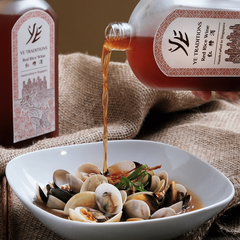
- Steamed dishes: A spoonful poured over seafood before steaming — like fish or clams — enhances the natural sweetness.
Ye Traditions carries a full range of traditional glutinous rice wines, including Bentong Ginger Rice Wine and Hakka Yellow Glutinous Rice Wine — both made without added salt, sugar, or preservatives.
Frequently Asked Questions
Is rice wine the same as rice wine vinegar?
No. Rice wine is alcoholic and adds flavour and depth in cooking. Rice wine vinegar is acidic and sour, used like regular vinegar. Despite both coming from fermented rice, they serve entirely different purposes and cannot be swapped in recipes.
Is rice wine alcoholic?
Yes — it typically contains between 10% and 20% ABV depending on the type. However, most of the alcohol evaporates during cooking, particularly when added early in the process or simmered over heat.
How long does rice wine last once opened?
Stored in a cool, dark place and tightly sealed, an opened bottle typically lasts six to twelve months. See our full guide on rice wine shelf life.
Is rice wine good for your health?
It contains trace levels of amino acids and compounds from fermentation, and is used in TCM (Traditional Chinese Medicine) as a warming ingredient to improve circulation and support recovery. Read more about the health benefits of glutinous rice wine.
Can children eat food cooked with rice wine?
When cooked thoroughly at high heat, most of the alcohol evaporates. We've covered this in our guide on whether kids can consume rice wine.
Leave a comment