

Shaoxing Wine Substitute: 7 Best Swaps for Chinese Cooking
Out of Shaoxing wine? The 7 best substitutes for Chinese cooking, from clean rice wine to dry sherry, and which swap tastes closest.



The best confinement food recipes use rice wine as a base — it adds warmth, expels wind and nourishes the body during postnatal recovery. Here are the essential confinement food recipes every new mother in Singapore should know, all made with Ye Traditions handcrafted rice wines.
The most iconic confinement recipe in Singapore and Malaysia. Rich, deeply coloured and packed with flavour, this confinement soup is traditionally eaten daily during the 30-day recovery period. It replenishes iron, promotes circulation and warms the body from the inside.
→ Full recipe with tips and variations
Mee sua in rice wine soup is the go-to daily confinement meal — quick to prepare, deeply nourishing and beloved by confinement nannies across Singapore. The combination of longevity noodles, ginger, sesame oil and rice wine is said to restore qi and warmth after every delivery.
→ Full recipe with step-by-step photos
A traditional Teochew and Cantonese confinement food that's been eaten by generations of new mothers. The combination of black vinegar, old ginger and pork trotters creates a rich, collagen-packed confinement soup that supports skin recovery and joint strength after birth.
→ Benefits of pig trotter vinegar for confinement recovery
A Hakka confinement staple that's gentler and more mellow than red wine chicken. Yellow glutinous rice wine gives the soup a sweeter, more fragrant profile. Ideal for mothers who find red wine chicken too intense, or for the later weeks of confinement.
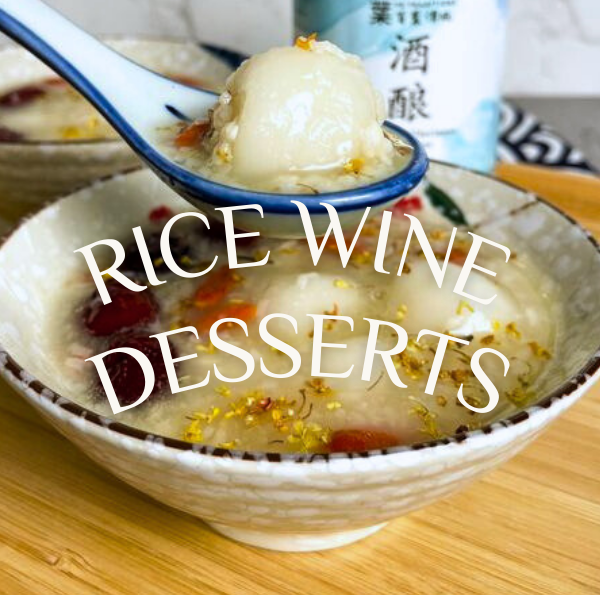
The simplest confinement recipe — takes under 10 minutes and is often eaten as a morning snack or dessert. Fermented glutinous rice wine (酒酿) is naturally sweet and slightly fizzy, making it an easy way to incorporate warmth and nourishment into every day of confinement.
Different confinement recipes call for different rice wines. Here's a quick guide:
All Ye Traditions rice wines are brewed in Singapore, SFA licensed, with no salt, no preservatives and no artificial flavouring — exactly what confinement nannies recommend.

If you've ever sat at a Singapore auntie's table during the confinement month, chances are you've tasted hong zao chicken — and chances are, you haven't stopped thinking about it...

Swipe for more recipe
Many of you love our Hakka Yellow Rice Wine, and even more of you have attempted to make the classic yellow rice wine chicken dish, that is so loved by...
Out of Shaoxing wine? The 7 best substitutes for Chinese cooking, from clean rice wine to dry sherry, and which swap tastes closest.

The Complete Guide to Chinese Confinement Food in Singapore The first month after giving birth is one of the most physically demanding periods in a woman's life. In Singapore Chinese...

Why Confinement Rice Wine Matters for Postpartum Recovery: A Singapore Mum's Guide After childbirth, your body goes through one of the most demanding recoveries of your life. In Singapore Chinese...

Mee sua (面线), also spelled misua, are thin longevity noodles eaten at birthdays and during confinement. What they are, how to cook mee sua soup, calories, and where to buy...

Everything you need to know about rice wine Singapore: types (red, yellow, ginger), confinement benefits, cooking uses, and how to choose the right one for your needs.

Yellow Wine Chicken Recipe: 3 Traditional Methods (黄酒鸡) --- My grandmother used to say, "黄酒鸡汤暖心暖胃" — yellow wine chicken soup warms both heart and stomach. She wasn't wrong. I still...

The Complete pack - red wine, yellow wine, ginger wine for postpartum recovery Singapore" style="max-width: 100%; height: auto; margin: 20px 0;">confinement rice wine --- Introduction If you're preparing for confinement...

If you've ever sat at a Singapore auntie's table during the confinement month, chances are you've tasted hong zao chicken — and chances are, you haven't stopped thinking about it...

Discover 8 traditional Chinese New Year reunion dishes, their cultural meanings, key rice wine recipes, and how families prepare classic festive meals passed down through generations.

Discover how to cook with Chinese cooking wine. From stir-fries to braised dishes, learn the right wine types, ratios, and timing to enhance flavour naturally.

The Truth About Hua Diao Wine: What’s Really in Your Chinese Cooking Wine? If you cook Chinese food at home, you almost certainly have a bottle of cooking wine in...

Wondering where to buy postpartum rice wine in Singapore? Explore top spots for confinement rice wine, from handcrafted brews to trusted TCM stores—perfect for postpartum nutrition and recovery.

Many new mums wonder: can you cook with rice wine while breastfeeding? The answer depends on how it’s cooked. Long-simmered dishes reduce alcohol significantly, making them safe and nourishing. With...

Most rice wines range from 12–18% ABV, but at Ye Traditions we craft a gentler 7% rice wine. Naturally brewed, preservative-free, and full of flavor, it’s perfect for cooking or...

Bossam with Ye Traditions Yellow Rice Wine Wait - isn't Bossam a Korean dish? Yes, it is, but as we love our cooking rice wines, we thought, WHY NOT? Not...

Rice wine in cooking is safe during breastfeeding—even if baby has jaundice. Most of the alcohol is cooked off during confinement meals.